
- If you have ever wondered Soap Making Course how to make handmade soap, you’re not alone. Handmade soap making has become one of the most popular DIY hobbies and profitable home-based businesses. Unlike commercial soaps that often contain harsh detergents, handmade soaps are crafted using natural oils, nourishing butters, and skin-friendly ingredients that cleanse without stripping away your skin’s natural moisture.
Whether you want to make soap for your family, create customized gifts, or start your own soap business, learning how to make handmade soap is a valuable skill. In this guide, you’ll learn the basic ingredients, equipment, safety precautions, and the step-by-step process of making beautiful handmade soap.
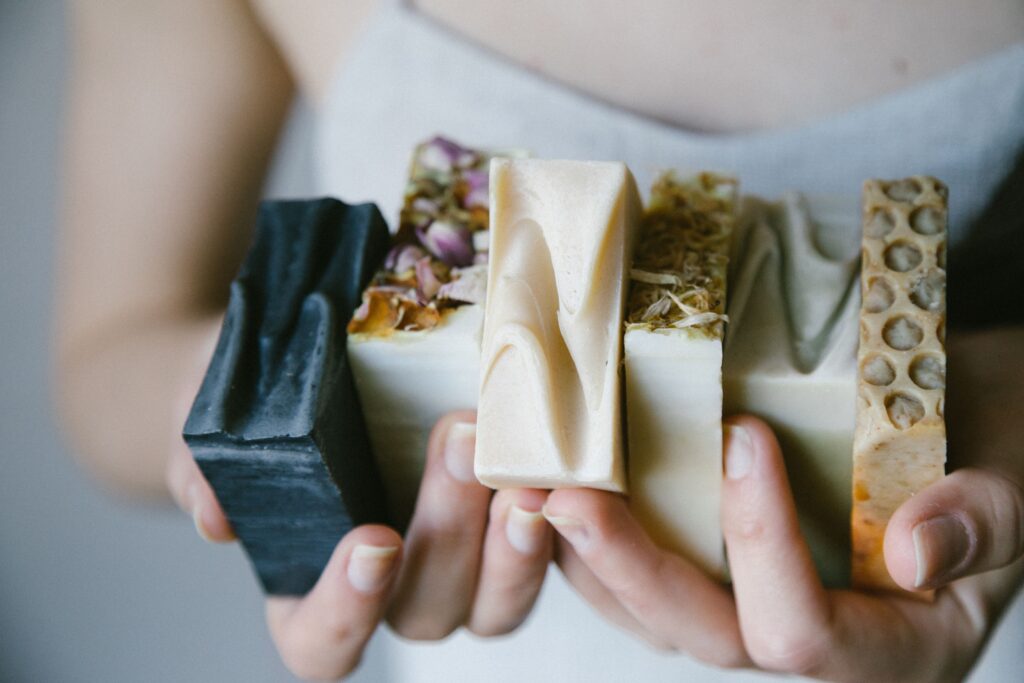
What is Handmade Soap?
Handmade soap is created through a chemical process called saponification, where oils and fats react with lye (sodium hydroxide) to produce soap and glycerin. Unlike many commercial soaps, handmade soap naturally retains glycerin, which helps keep the skin soft and moisturized.
The best part about handmade soap is that you have complete control over the ingredients. You can choose natural oils, botanical extracts, herbs, clays, essential oils, and natural colorants to create soaps suitable for different skin types.
Benefits of Handmade Soap
There are many reasons why people prefer handmade soap over store-bought alternatives:
- Made with natural and skin-friendly ingredients
- Rich in natural glycerin for extra moisturization
- Free from harsh detergents and unnecessary chemicals
- Customizable with essential oils and herbs
- Environmentally friendly and biodegradable
- Suitable for sensitive skin when properly formulated
- A great opportunity to start a profitable small business
Essential Ingredients for Handmade Soap
If you’re learning how to make handmade soap, you’ll need these basic ingredients:
1. Oils and Butters
These form the base of your soap.
Popular choices include:
- Olive Oil
- Coconut Oil
- Castor Oil
- Palm Oil (sustainably sourced)
- Shea Butter
- Cocoa Butter
- Mango Butter
Each oil contributes different qualities such as hardness, cleansing ability, conditioning, or creamy lather.
2. Sodium Hydroxide (Lye)
Lye is an essential ingredient in cold process soap making. It reacts with oils to create soap. When used correctly, no active lye remains in the finished cured soap.
3. Distilled Water
Distilled water is preferred because it contains no minerals or impurities that may affect the soap-making process.
4. Fragrance or Essential Oils
These provide a pleasant scent to your soap.
Popular options include:
- Lavender
- Tea Tree
- Peppermint
- Lemongrass
- Sweet Orange
- Rose
5. Natural Colorants
You can color your soap naturally using:
- Activated Charcoal
- Turmeric
- French Clay
- Spirulina
- Cocoa Powder
- Mica Powders
Benefits of Making Handmade Soap
Making handmade soap offers numerous benefits for both your skin and the environment. Unlike many commercial soaps, handmade soap is crafted with nourishing oils, natural butters, and skin-friendly ingredients that help cleanse without stripping away your skin’s natural moisture. It naturally retains glycerin, a powerful humectant that keeps the skin soft and hydrated. Handmade soap can also be customized with essential oils, herbs, clays, and botanical extracts to suit different skin types and personal preferences. In addition to being eco-friendly and free from harsh detergents, learning to make handmade soap can become a rewarding hobby or even a profitable home-based business.
Essential Ingredients to Make Handmade Soap
To make handmade soap successfully, you’ll need a few essential ingredients that work together during the soap-making process. The main ingredients include natural oils and butters, sodium hydroxide (lye), distilled water, and optional additives such as fragrance oils, essential oils, natural colorants, herbs, and exfoliants. Each ingredient plays an important role in determining the soap’s hardness, lather, cleansing ability, moisturizing properties, and overall quality. Choosing high-quality ingredients ensures your handmade soap is safe, effective, and gentle on the skin.
Equipment Needed to Make Handmade Soap
Before you make handmade soap, it’s important to gather the right equipment for a safe and smooth soap-making experience. Basic tools include a digital weighing scale for accurate measurements, heat-resistant containers, a stainless steel pot, a stick blender, silicone spatulas, a thermometer, and silicone soap molds. You’ll also need safety gear such as rubber gloves, safety goggles, and an apron to protect yourself while handling lye. Using the proper equipment helps ensure consistent results and makes the soap-making process easier, safer, and more efficient.
Equipment Needed
Before learning how to make handmade soap, gather these tools:
- Digital weighing scale
- Heat-resistant containers
- Stainless steel pot
- Stick blender
- Silicone spatula
- Thermometer
- Soap mold
- Safety goggles
- Rubber gloves
- Long sleeves and apron
Never use aluminum utensils because lye reacts with aluminum.
Safety Tips
Working with lye requires careful handling.
Always remember:
- Wear gloves and safety goggles.
- Work in a well-ventilated area.
- Always add lye to water, never water to lye.
- Keep children and pets away while making soap.
- Measure ingredients accurately using a digital scale.
Safety should always be your first priority.
How to Make Handmade Soap Step by Step
Now let’s learn how to make handmade soap using the Cold Process Method.
Step 1: Measure Ingredients
Carefully weigh all oils, lye, and distilled water according to your soap recipe.
Step 2: Prepare the Lye Solution
Slowly add sodium hydroxide into distilled water while stirring continuously.
The mixture will become hot, so allow it to cool to around 35–45°C.
Step 3: Melt the Oils
Heat solid oils like coconut oil or shea butter until melted.
Mix with the liquid oils and allow them to cool to a similar temperature as the lye solution.
Step 4: Combine Oils and Lye
Slowly pour the cooled lye solution into the oils.
Use a stick blender in short bursts until the mixture reaches “trace.” Trace is when the batter thickens and leaves visible lines on the surface.
Step 5: Add Fragrance and Color
Mix in your chosen fragrance oils, essential oils, natural colorants, herbs, or exfoliants.
Stir gently until evenly combined.
Step 6: Pour into the Mold
Pour the soap batter into silicone molds.
Tap gently to remove air bubbles.
Step 7: Insulate
Cover the mold with a towel and leave it undisturbed for 24–48 hours.
Step 8: Unmold and Cut
Remove the soap from the mold and cut it into bars if needed.
Step 9: Cure the Soap
Allow the soap to cure for 4–6 weeks in a cool, dry place.
During curing, excess water evaporates and the soap becomes harder, milder, and longer lasting.
Common Mistakes Beginners Should Avoid
When learning how to make handmade soap, avoid these common mistakes:
- Incorrect measurements
- Using tap water instead of distilled water
- Forgetting safety equipment
- Overheating ingredients
- Not blending to proper trace
- Using too much fragrance oil
- Skipping the curing process
Patience is key. Handmade soap improves with proper curing.
Popular Handmade Soap Variations
Once you’ve mastered the basics, you can experiment with different types of handmade soap:
- Goat Milk Soap
- Aloe Vera Soap
- Charcoal Soap
- Neem Soap
- Coffee Scrub Soap
- Honey Oatmeal Soap
- Turmeric Soap
- Lavender Soap
- Activated Charcoal Soap
- Shea Butter Soap
These variations allow you to create products for different skin concerns and customer preferences.
Can You Start a Handmade Soap Business?
Absolutely! Many successful entrepreneurs began with a small home setup. After learning how to make handmade soap, you can sell your products through:
- Your own website
- Social media platforms
- Local exhibitions
- Craft fairs
- Online marketplaces
- Beauty boutiques
Focus on high-quality ingredients, attractive packaging, and proper branding to stand out in the market.
| Feature | Ayurvedic Soap | Chemical Soap |
| Ingredients | Made with natural herbs, plant extracts, essential oils, and botanical ingredients. | Made with synthetic chemicals, artificial fragrances, preservatives, and detergents. |
| Skin Benefits | Nourishes, soothes, and supports healthy skin using traditional herbal ingredients. | Primarily cleans the skin but may strip natural oils with frequent use. |
| Suitable for Skin | Generally suitable for sensitive, dry, and normal skin types (depending on formulation). | Some formulations may cause dryness or irritation, especially for sensitive skin. |
| Environmental Impact | Often biodegradable and made with eco-friendly, naturally derived ingredients. | May contain non-biodegradable chemicals that can have a greater environmental impact. |
| Long-Term Use | Often chosen for daily use by people seeking natural skincare routines. | Continuous use of some formulations may require additional moisturization due to skin dryness. |
FAQ’s
How do you make handmade soap at home?
To make handmade soap at home, combine oils with a lye solution using the cold process method. Blend until trace, add fragrance and color if desired, pour into molds, and cure the soap for 4–6 weeks before use.
What ingredients are needed to make handmade soap?
The basic ingredients include oils (such as olive, coconut, and castor oil), sodium hydroxide (lye), distilled water, fragrance or essential oils, and optional natural colorants or additives.
Is handmade soap better than commercial soap?
Yes, handmade soap is often considered better because it contains natural glycerin, uses nourishing oils, and is typically free from harsh detergents that can dry out the skin.
Is lye necessary for making handmade soap?
Yes. Lye is essential for the saponification process that turns oils into soap. When the recipe is properly formulated and cured, no active lye remains in the finished soap.
How long does handmade soap take to cure?
Cold process handmade soap usually requires 4 to 6 weeks of curing. This allows excess water to evaporate and results in a harder, milder, and longer-lasting soap.
Can beginners learn how to make handmade soap?
Absolutely. Beginners can easily learn how to make handmade soap by following a reliable recipe, using proper safety precautions, and practicing basic soap-making techniques.
Which oils are best for handmade soap?
Popular oils include olive oil for conditioning, coconut oil for cleansing and lather, castor oil for stable bubbles, shea butter for moisturizing, and cocoa butter for hardness.
Can I start a handmade soap business from home?
Yes. Many successful soap makers start from home with a small investment. By creating high-quality products, attractive packaging, and effective marketing, you can build a profitable handmade soap business.
Final Thoughts
Learning how to make handmade soap is both creative and rewarding. It allows you to make natural, customized soaps while giving you the opportunity to develop a valuable skill or even build a profitable business. By following proper safety practices, using quality ingredients, and allowing enough curing time, you can create beautiful handmade soaps that are gentle on the skin and loved by customers.
Whether you’re making soap for personal use or planning to launch your own skincare brand, the journey begins with understanding the basics. Start with simple recipes, practice consistently, and gradually explore advanced techniques such as swirls, layered soaps, herbal infusions, and custom formulations. With dedication and creativity, you’ll soon master how to make handmade soap and enjoy the satisfaction of crafting soaps that are both functional and beautiful. Explore us on Facebook.